
Stoneywell Cottage
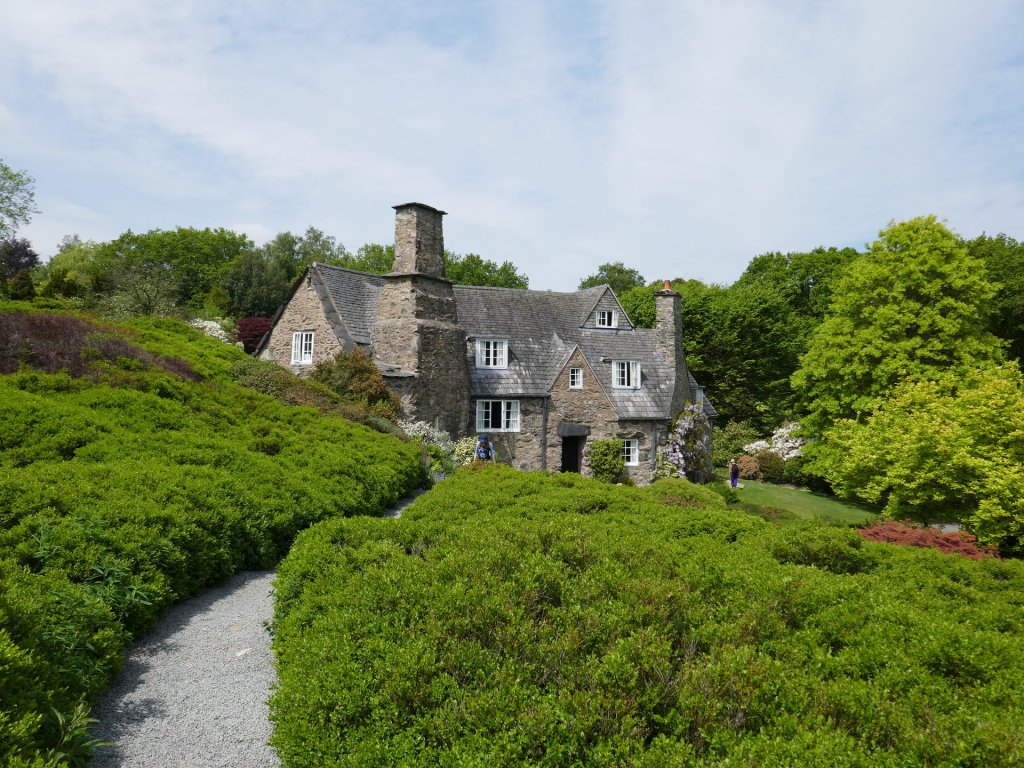
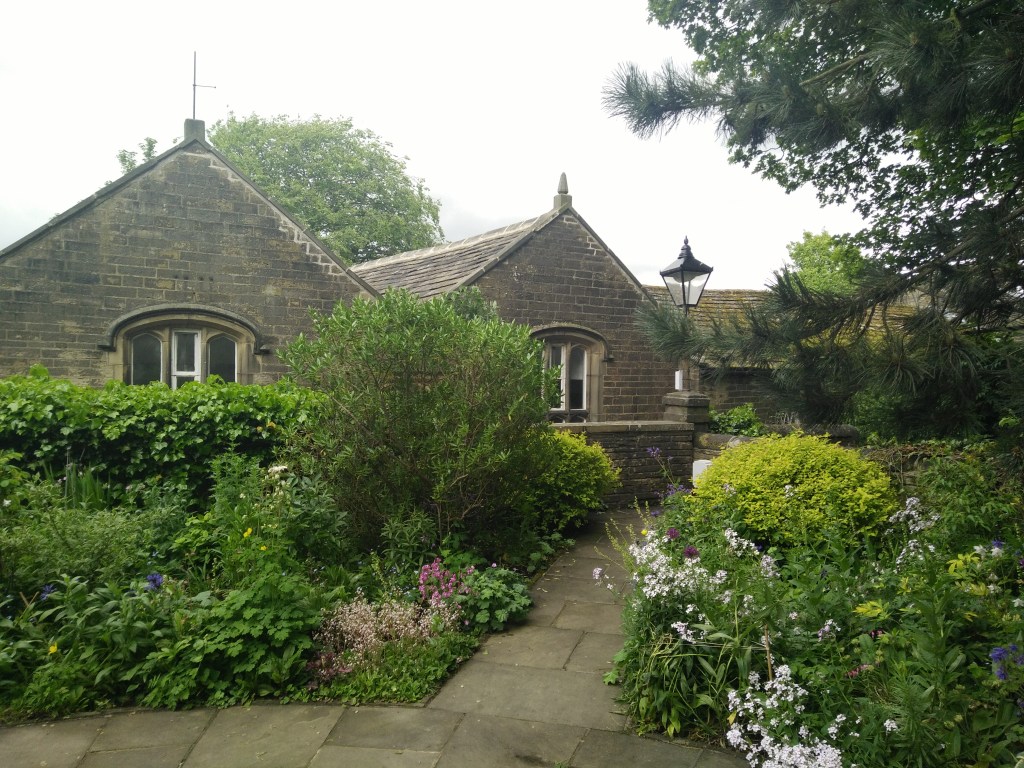
On our journey to Keighley we stopped in at a small Trust property in the middle of nowhere, Stoneywell Cottage. It was built in 1899 by Ernest Gimson, one of the pioneers of the arts and crafts movement, of which my mum is so fond. Also known as the art nouveau style, it borrows design elements from nature. Although I don’t know much more about the inspiration beyond that, I will say I found it to be quite a cosy cottage with a TARDIS like effect. To translate for the non-Whovians out there, it felt bigger on the inside; there just seemed to be an endless number of rooms, which I think had something to do with how it was built into the hillside. The gardens were also very pretty, and I could see how it would have made a charming place to escape from busy city life.
Keighley
In Keighley we stayed in a place called “Fell Cottage”; a humble two storey abode, with rolling fields outside the kitchen window. As with our previous stay we didn’t explore Keighley much, save for on our first day when we went to a local tavern “The Golden Fleece” for Sunday roast. It was of course suitably served with a Yorkshire pudding, which was exquisite. I continued my exploration of the English ciders, I have found them to be exceptionally good, and had some Thatchers Haze from tap, which I would highly recommend.


Skipton
Skipton is a town on the smaller side, with a lovely atmosphere. Dad is obsessed with finding the Tourist Information Office wherever we go and asking them what to see, even when we have a map and have done our research. On this particular occasion we spent at least 20 minutes looking for it, with signs pointing in opposite directions. We eventually found it, once we had seen all the town’s main sights and stopped in at a pub to rest from our tiring mission. At the Tourist Info they were very nice and friendly, and agreed with our plan of what to see in the area. We continued on, and walked through the woodland nearby. One of many British woodlands we would see.


Harrogate
Another one of Dad’s wild goose chases was to find a place to have his beloved Yorkshire tea, produced by Taylors of Harrogate. While they don’t offer tours of where they make the tea, they do have a tea room, called Bettys, a very popular place with hundreds of seats. The BMW’s GPS, which my parents were routinely having harsh words with, took us to the wrong Bettys, which was half an hour from where we wanted to be. Could have been worse I suppose. However when we eventually arrived at the legitimate article, there was a long queue of people also wanting a seat. Even once we had been taken inside it seemed that there was a second queue, and after waiting for around half an hour we decided to leave, as we had other things planned for the rest of the day.
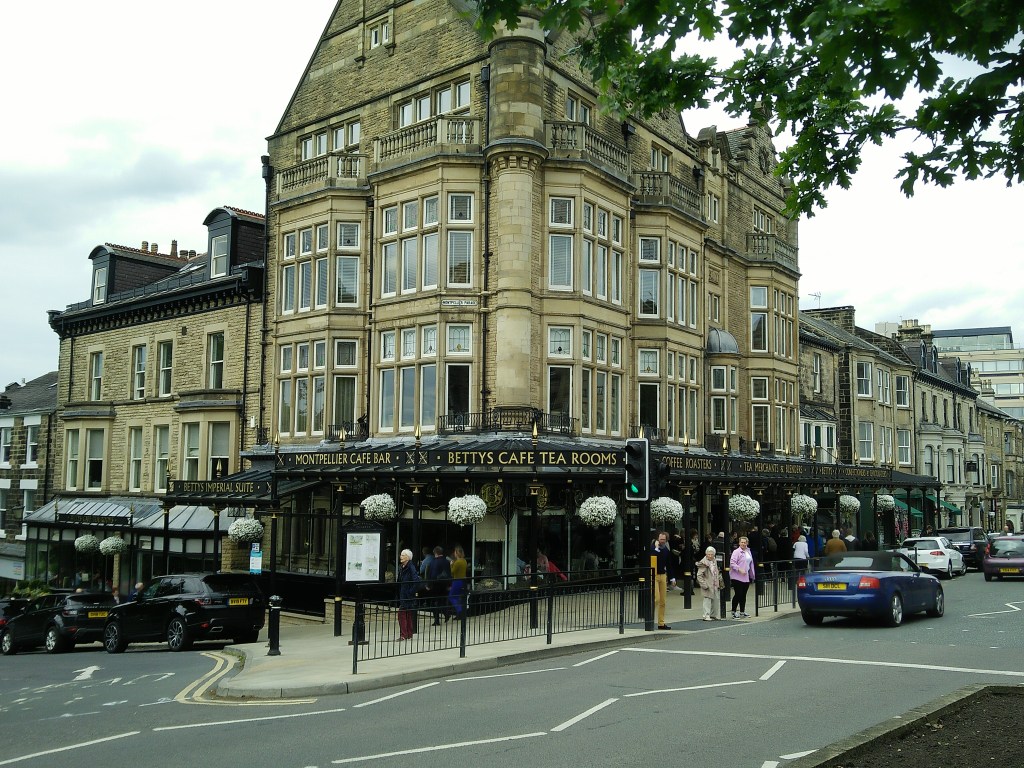
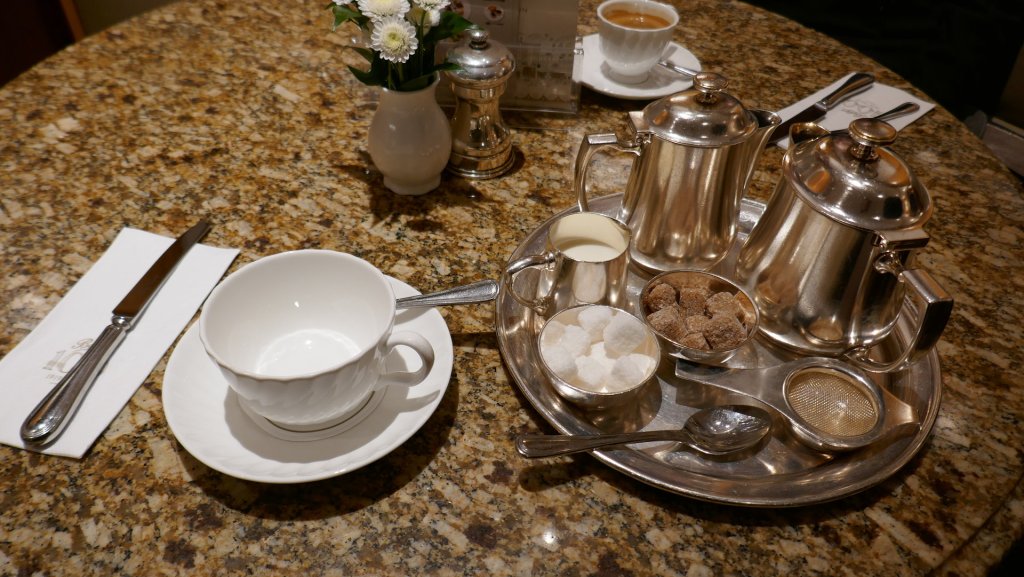
Later that week we decided to come back, and this time we got a table within 10 minutes. Our waiter was very friendly; we had trouble understanding him at first, as our brains had rewired themselves to decoding the many different British accents, and Polish did not compute. We had a good chat with him and learned that Bettys had celebrated their 100th anniversary the night before, and it had been quite the party. Sounds like a good place to work.
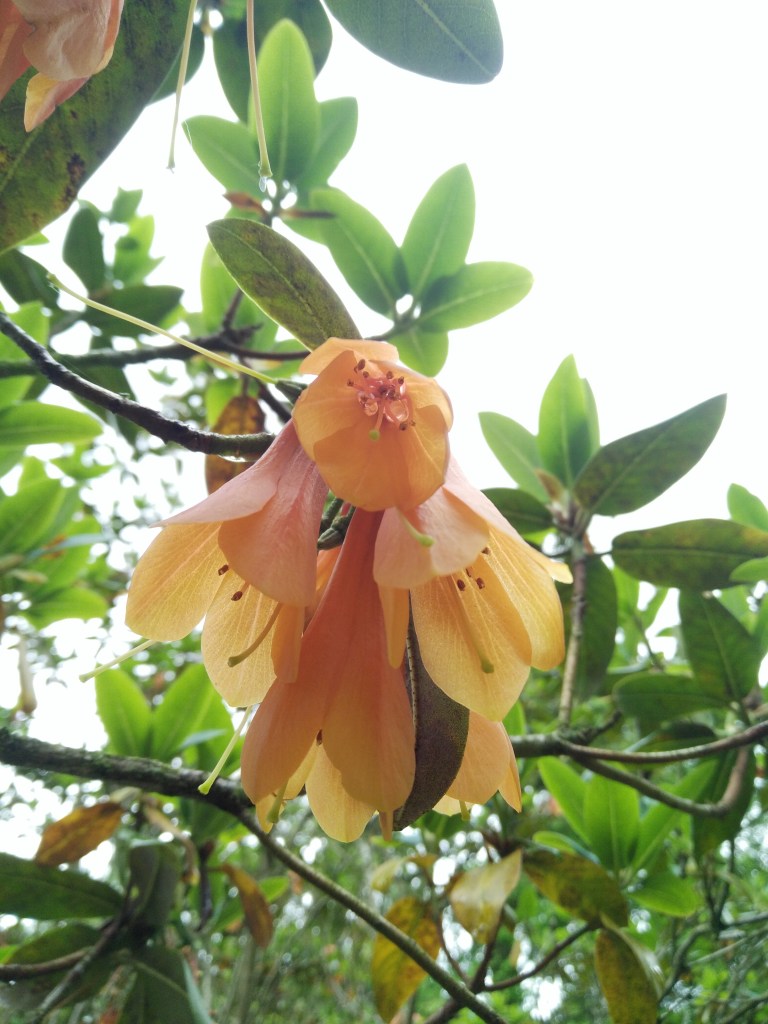
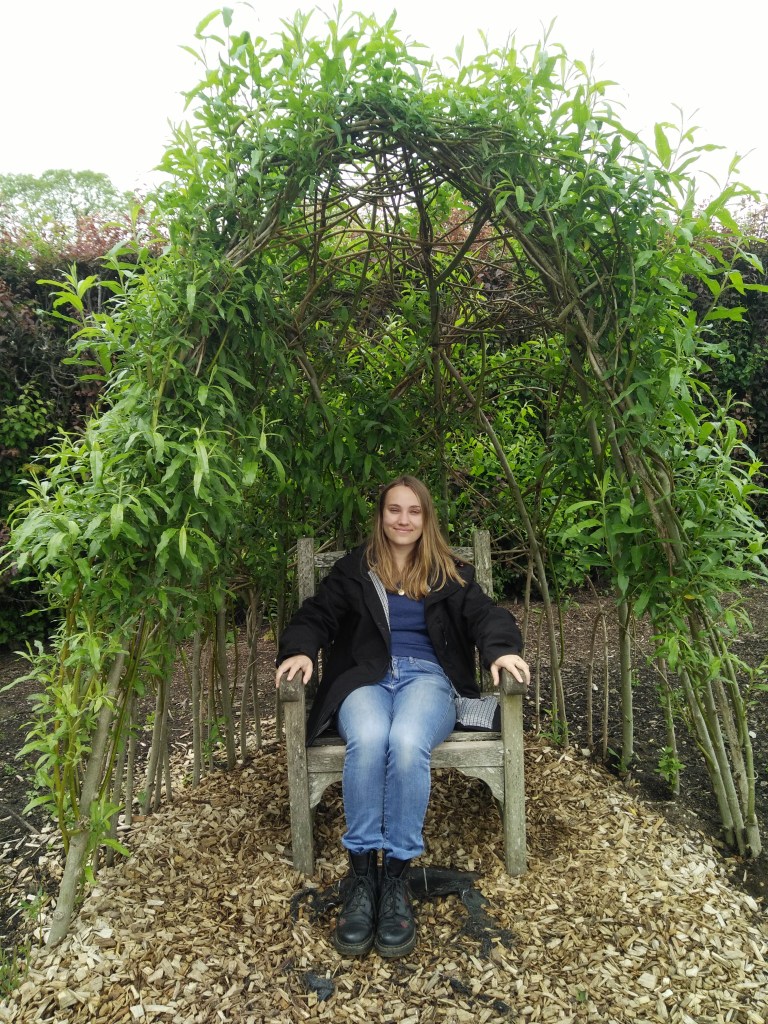
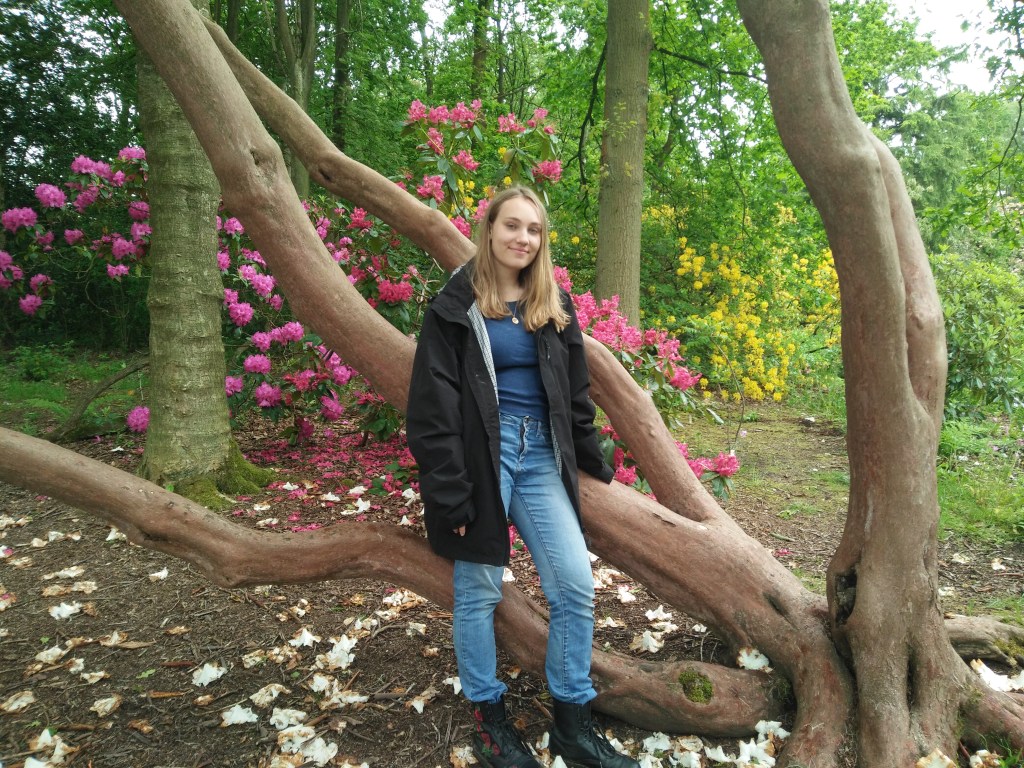
An unexpected bonus to initially going to the wrong Bettys, is that we discovered the RHS Harlow Garden next door, which Mum and I decided to visit later in the week. I had never been in a proper English garden, so I found it quite the delight. Everything was impeccably well looked after and the garden was full of colour; vibrant green lawns, with trees and shrubs all in bloom. We had come at the perfect time of year to see everything.
Fountains Abbey
Near Harrogate is Fountains Abbey. In 1132 after abbey riots, a group of 13 monks were expelled and then taken under the protection of the Archbishop of York, who gave them the land and resources to build their own abbey. They became Cistercians (a type of Catholic), which meant members would have have to be self sufficient and endure hard labour, such as working in agriculture and making beer, of which we were told they drank much themselves. Aside from a rigorous prayer schedule and few worldly belongings, it doesn’t seem a bad life to me. Of course you had to be a man so…
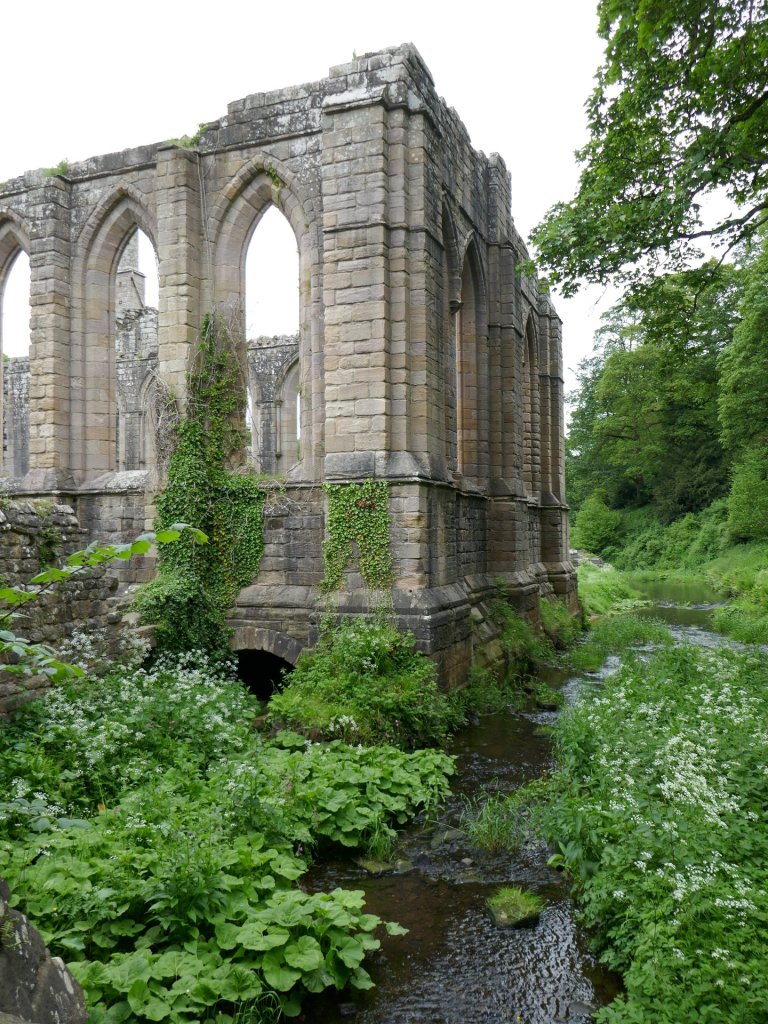
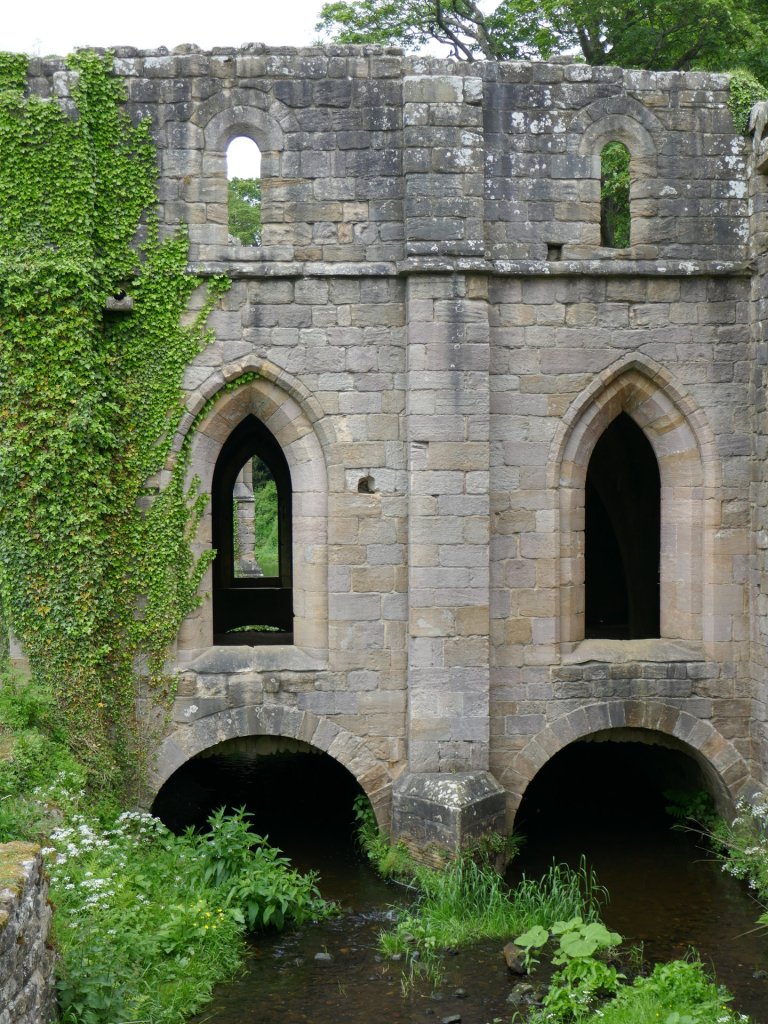
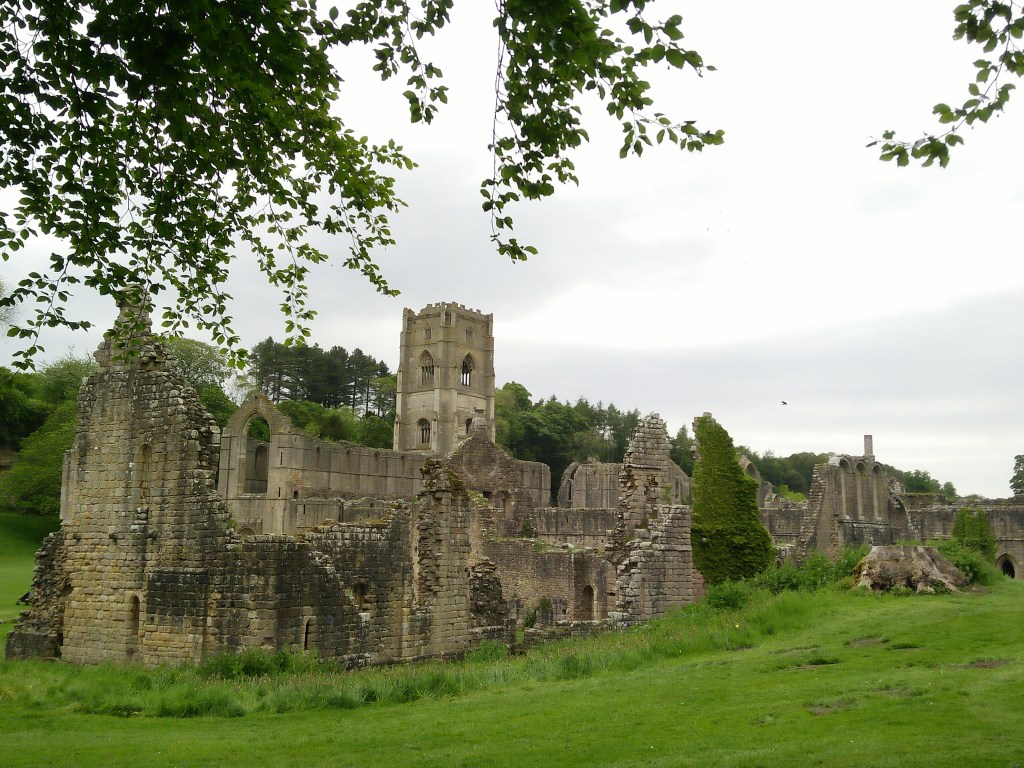
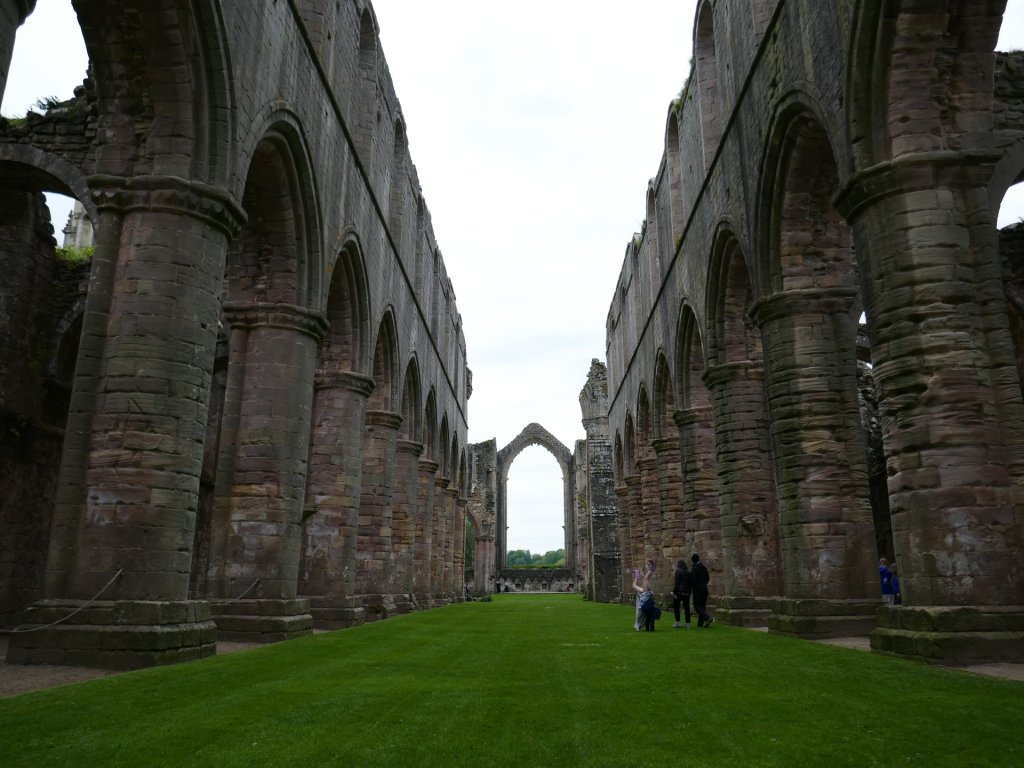
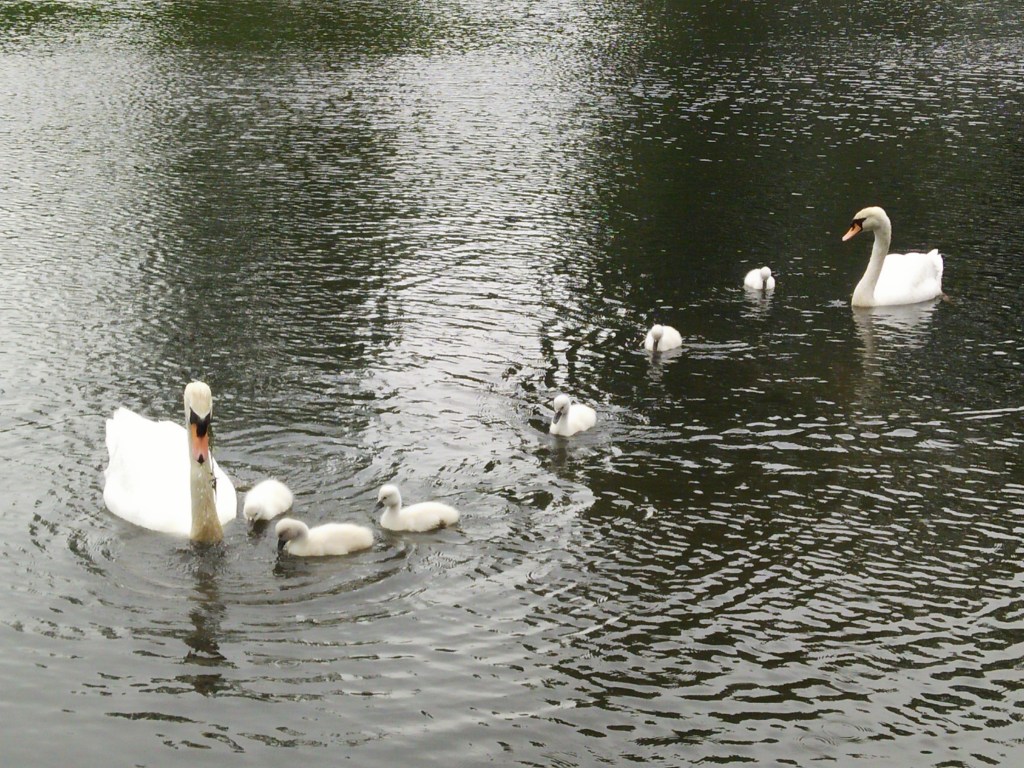
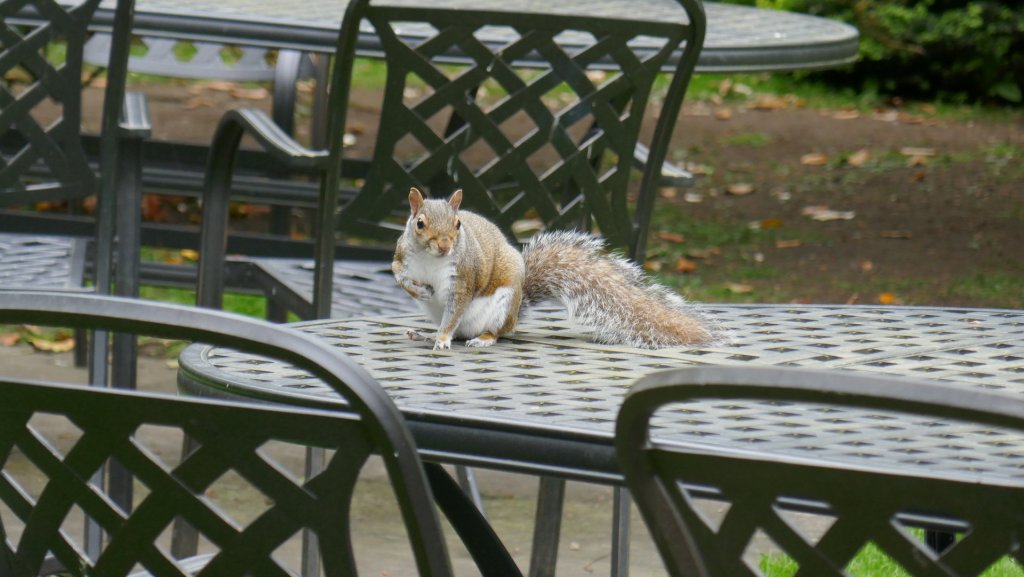
The abbey is one of the largest and best preserved of the monasteries, with many of the walls and structures still intact. We found the tour quite interesting, which is where I learned the above. We then looked at the rest of the property, which has the Studley Water Garden attached. While picturesque, I was most excited to find more cute, fluffy animals. Ducks, goslings, rabbits in hedges and squirrels scurrying to and fro. I was in paradise. Dad was not so amused, as he later deleted hundreds of photos I had taken on the camera… Whoops.
East Riddleston Hall
About a five minute drive from where we were staying was East Riddleston Hall. Built in 1662, it is a well furnished manor house, with volunteers dressed in traditional attire giving visitors information. I love going to places like this, it makes me feel like I’m a time traveller. We signed up to do an activity making gingerbread in the traditional way, which I had thought would be like a cooking class. Turns out I fit in quite well; there were lots of other kids with their parents. Of course all the other kids were about 5 years old. *Awkward*. The gingerbread was made by crushing spices, and mashing together old bread, honey and bread crumbs, no cooking required. At the time this would have been quite a treat, as spices were quite expensive. I don’t know if we didn’t make it right or what, but our recreation was confusing, and I couldn’t decide if it was yummy or disgusting. Kind of how I feel about greek yoghurt.
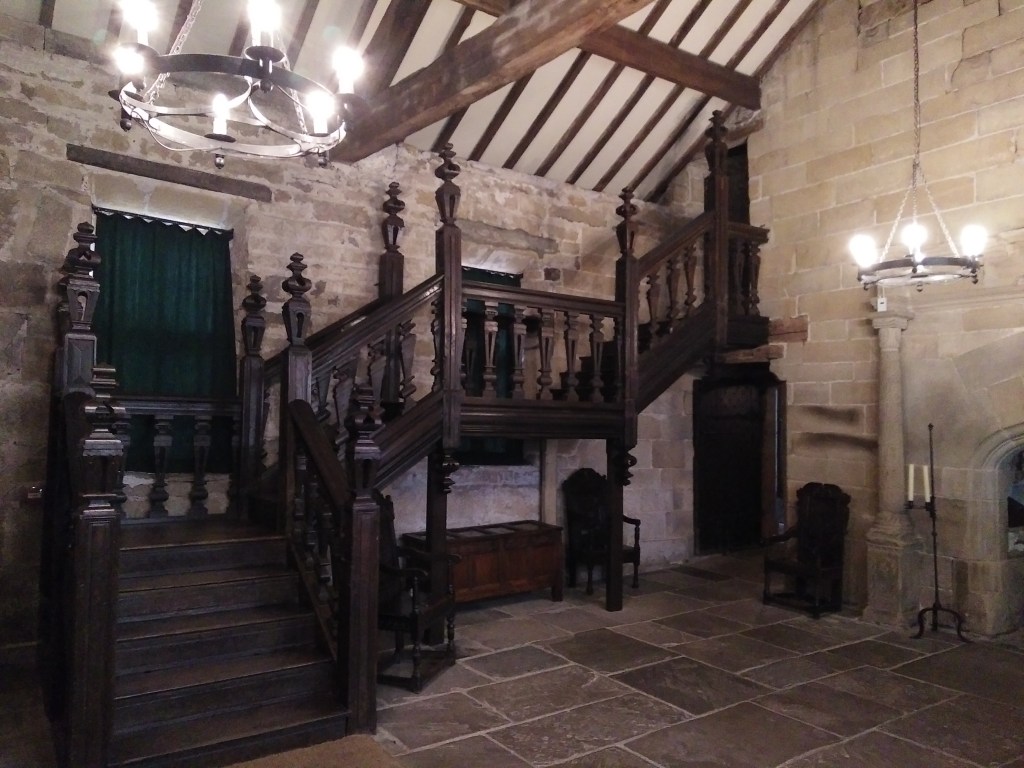
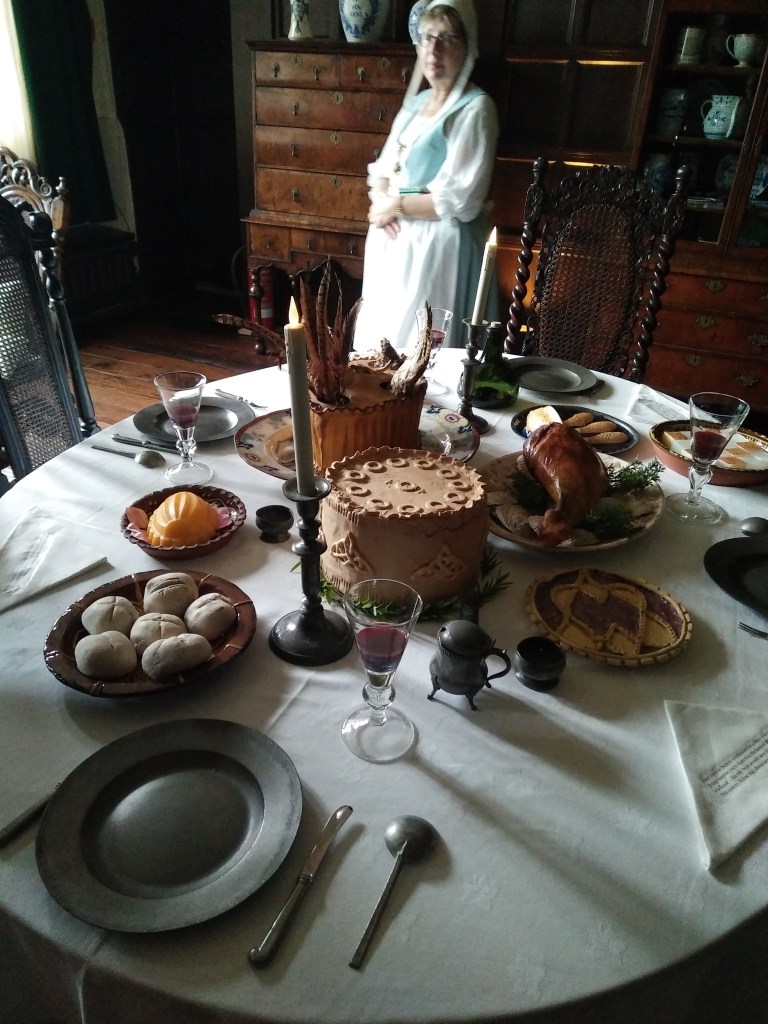
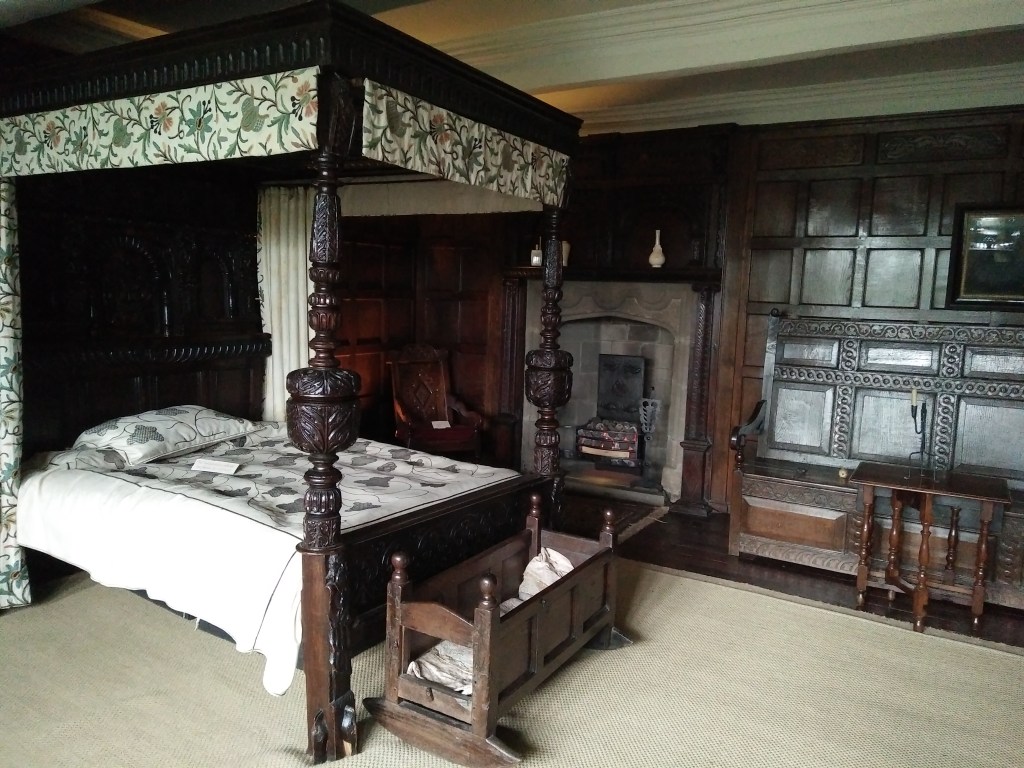
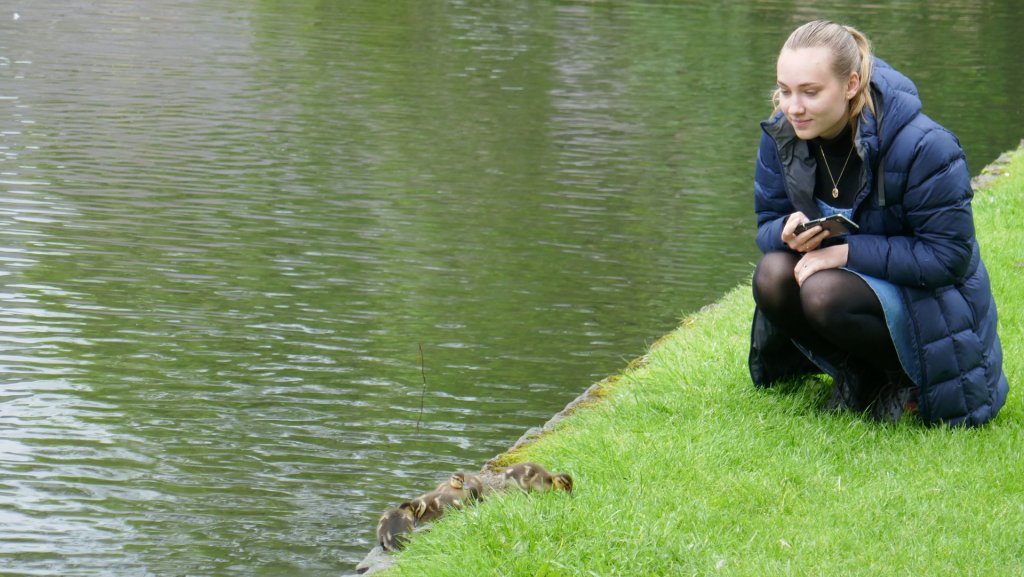
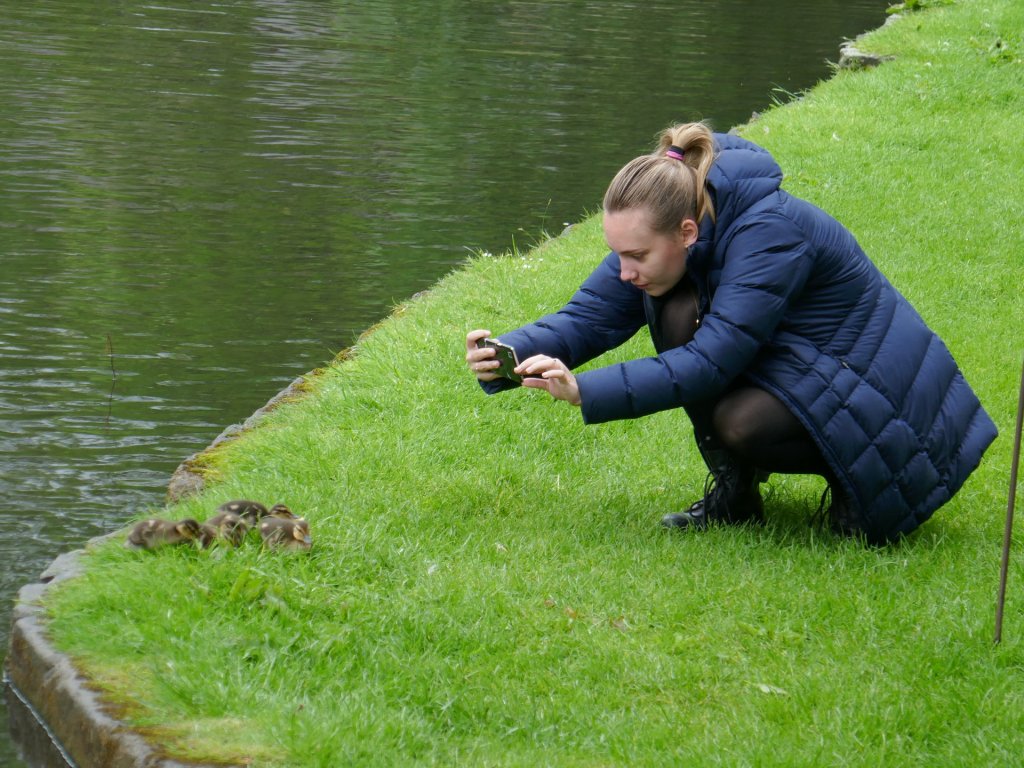
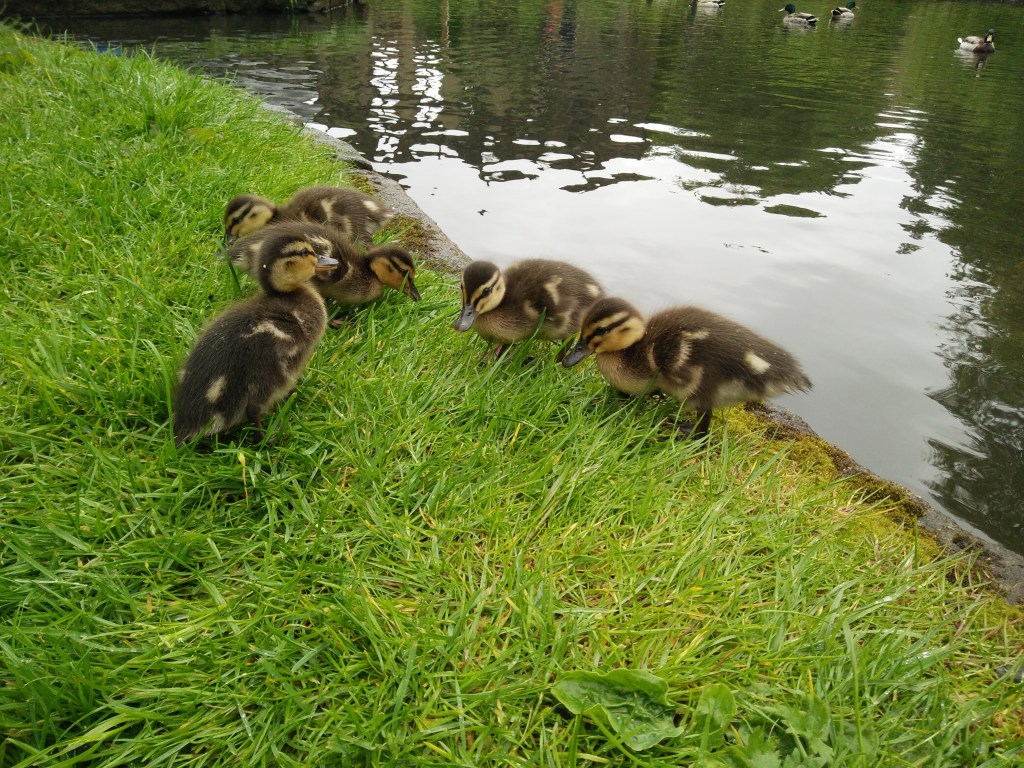
Outside there was pretty garden and more ducklings. Dad still hadn’t forgiven me from last time I saw cute animals, so I had to spam my phone’s camera instead.
Haworth
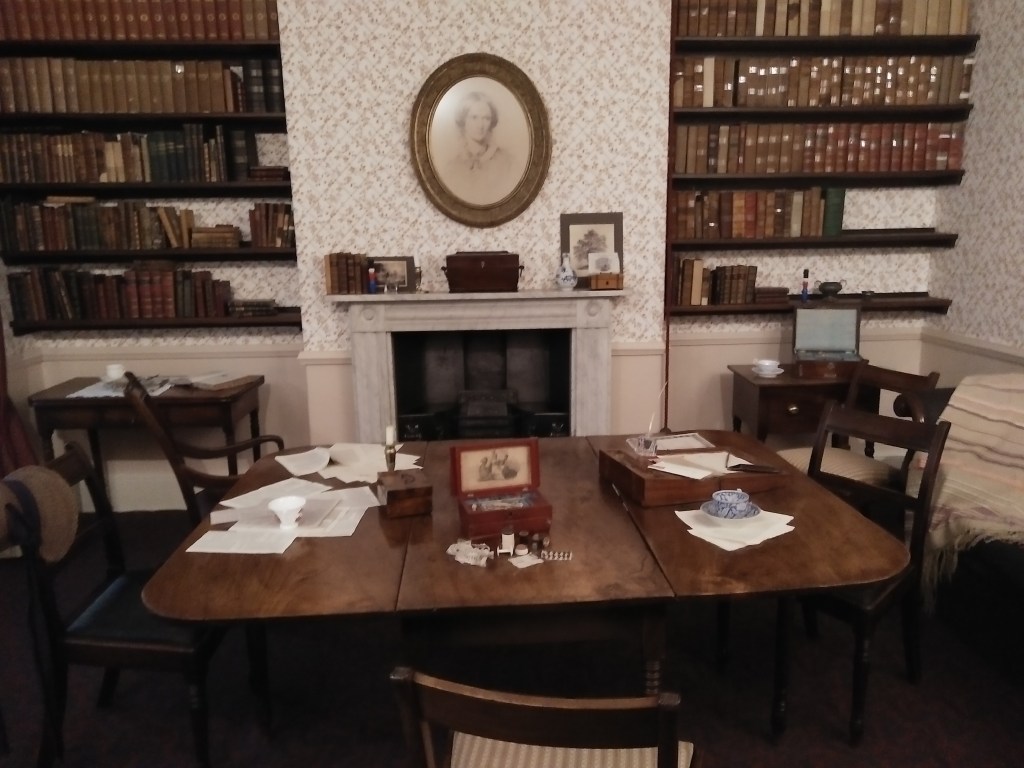
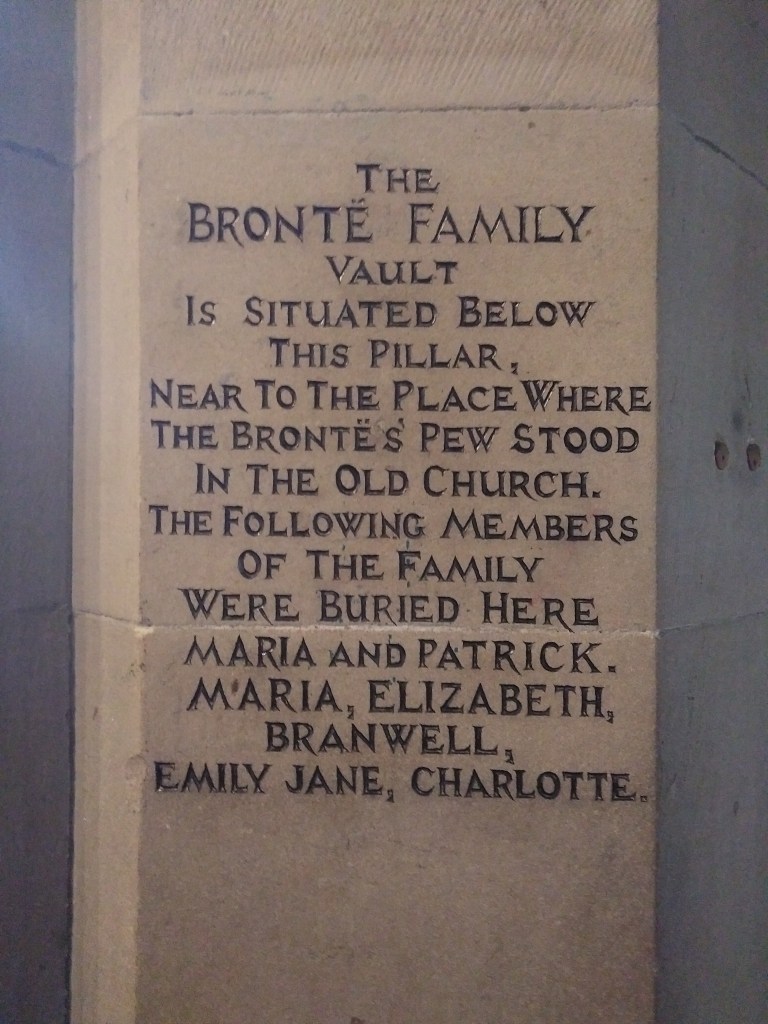
While Haworth has a lovely, vintage-feel high street, the real attraction for us was the Bronte Museum. Mum is a huge Bronte sisters fan, and was very excited to go to the museum, which is their house, preserved as they left it with their furniture, possessions and information about their lives. The sisters, Emily, Anne and Charlotte, wrote some classics books that were also very well-regarded at the time, such as Jane Eyre and Wuthering Heights. They wrote under the pseudonym of the Bell brothers, as female authors were not accepted at the time. I really enjoyed the museum, however I was disturbed to learn that their each of the family members died of tuberculosis at young ages, except their Dad. There was even a bloody handkerchief in the museum one of them used in her final weeks. Perhaps everything was a little too well preserved.
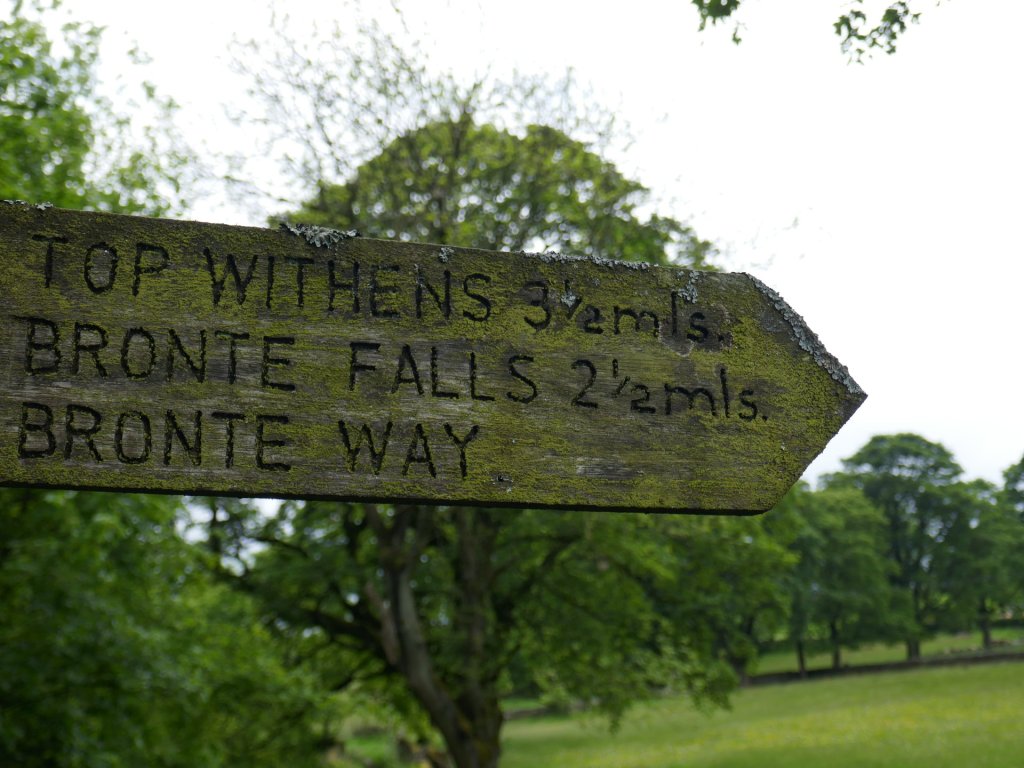
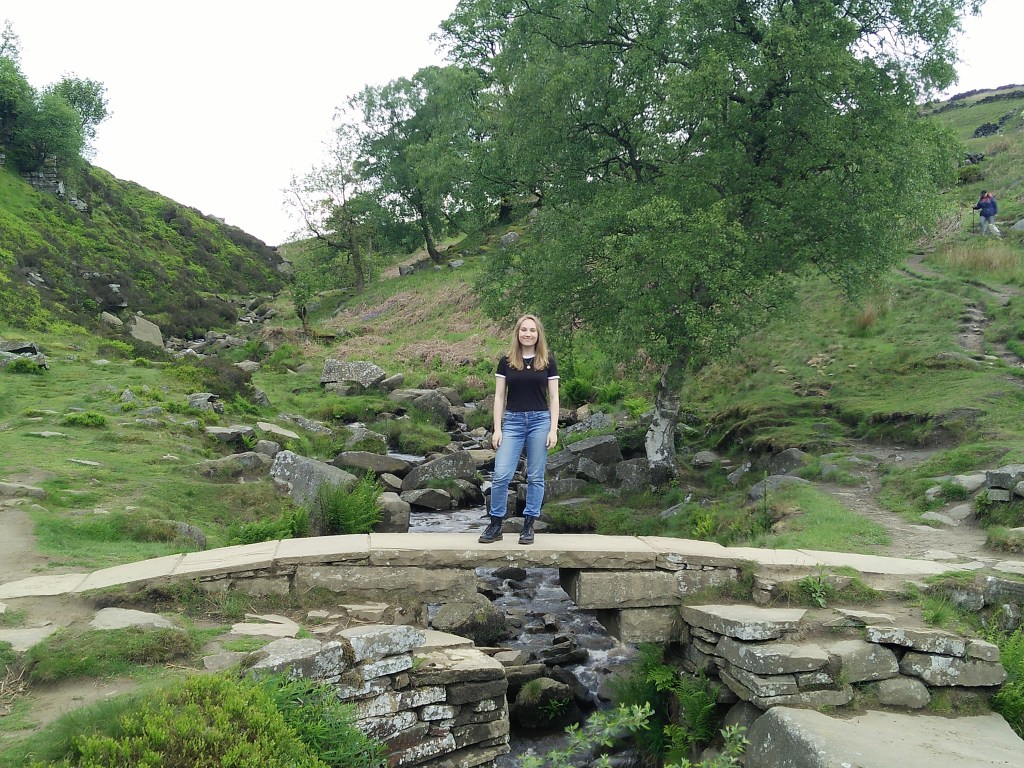
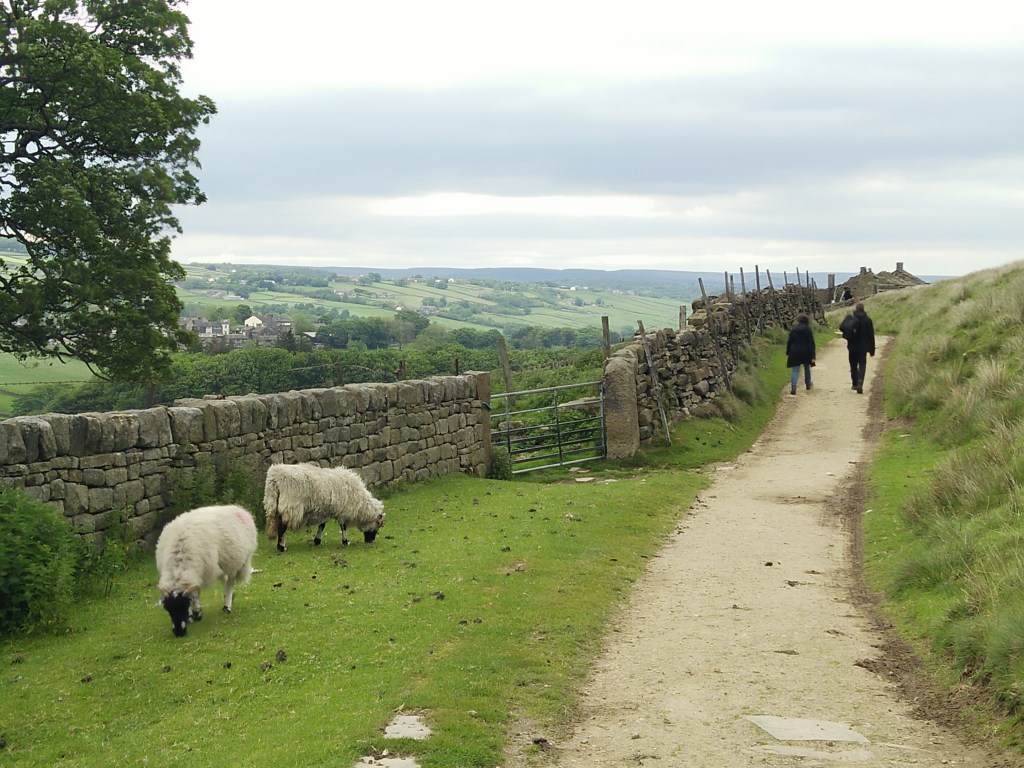
Nearby are the Bronte Falls, named after them as they often walked there. I found myself singing, “Out on the wiley windy moors,” which was a fairly accurate description for where we were. You could see where their inspiration came from. Green fields stretched as far as the eye could see, while we walked along the gusty gravel path, surrounded by sheep and old, ruined farm structures. Side note, but I now also have a lot of photos of lambsies. The falls were pretty, not the scale of Queensland waterfalls, but attractive nonetheless.
On the way back to Keighley we stopped in at Bradford, as I had been eager to visit another Primark, which are like the UK’s version of Kmart, except with much, much better stuff, like Harry Potter merchandise. After this I was told I was no longer allowed to visit any others, as Mum and Dad were sick of them. My parents spoil all the fun.
 Anna Fay On Holiday